Why do we study the toxicological effects of environmental pollutants?
Environmental pollution is the human-made “stuff” that our environment is not always able to appropriately handle. In the DeWitt Lab, we are mostly interested in synthetic chemicals that end up in the environment and then make their way into our bodies. Many of these chemicals are used to make products or are products themselves that can provide benefits to humankind. However, the environment, including our bodies, does not have an unlimited capacity to protect itself from all of the different chemicals that it encounters. We also do not understand all of the possible health effects of these chemicals because not all health effects of synthesized chemicals are evaluated before they are used in production processes or final products or allowably and/or accidentally released into the environment. We also still don’t fully understand how certain diseases result from exposure to synthetic chemicals even when we know that exposure is a contributing factor.
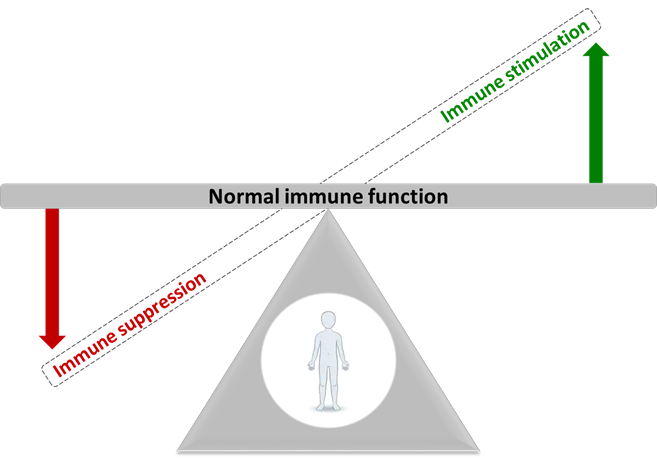
Our goal is not to eliminate all synthetic chemicals from the environment; rather, our goal is to determine if exposure to these chemicals contributes to diseases and disorders in humans and wildlife. If we determine that exposure has a negative impact on physiology, such as immune system function, we hope that our data will be used by decision-makers to better protect human and environmental health, by other researchers to dig deeper, and by the public to make informed decisions about the exposures over which they have control.
We also think that toxicology is an amazing area of science! It blends together an array of the sciences to answer questions of public health importance and can lead to positive impacts that protect our air, food, soil, and water as well as wildlife and specific communities and the general population.
The laboratory is currently funded through start-up funds to DeWitt from OSU and a subaward from Duke University’s North Carolina Firefighter Cancer Cohort Study led by Dr. Heather Stapleton and funded by the North Carolina Collaboratory.
 ToxicologyChick
Leave a comment